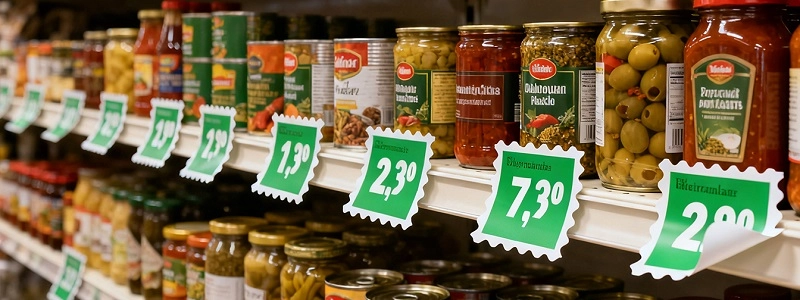
Removable woodfree paper labels occupy a critical niche in the labeling and packaging industry. They are designed to provide clear, high-quality printed information while allowing clean removal from a wide range of surfaces without residue or substrate damage. These labels are widely used in retail, logistics, pharmaceuticals, libraries, food packaging, and promotional applications where temporary identification or pricing is required.
1. Woodfree Paper: Material Fundamentals
1.1 What “Woodfree” Means
Despite the name, woodfree paper is not made without wood. Instead, it is produced from chemical pulp in which lignin has been largely removed. This contrasts with mechanical pulp papers that retain lignin and tend to yellow over time.
Key properties of woodfree paper include:
- High brightness and whiteness
- Smooth surface for fine print reproduction
- Dimensional stability
- Improved aging and archival performance
These properties make woodfree paper particularly suitable for labels requiring sharp text, barcodes, and graphics.
1.2 Basis Weight and Caliper
Woodfree paper labels are available in various grammages (typically 60–90 g/m² for labels), influencing:
- Stiffness and die-cutting behavior
- Conformability to curved surfaces
- Perceived quality and opacity
Selecting the correct basis weight is essential for balancing print quality, dispensing performance, and end-use requirements.
2. Removable Adhesive Technology
2.1 Definition of Removable Adhesives
A removable adhesive is engineered to provide sufficient tack and adhesion during use while allowing clean removal without leaving residue or causing surface damage. This is achieved through controlled adhesive cohesion and lower peel strength compared to permanent adhesives.
2.2 Common Adhesive Types
Removable woodfree paper labels typically use pressure-sensitive adhesives (PSAs), including:
Acrylic-based adhesives
- Excellent aging resistance
- UV stability
- Low yellowing
- Consistent removability over time
Rubber-based adhesives
- Higher initial tack
- Good adhesion to low-energy surfaces
- Less resistant to heat and UV aging
The choice depends on surface type (glass, plastic, metal, paperboard), duration of application, and environmental conditions.
2.3 Adhesion and Removability Balance
Key performance metrics include:
- Initial tack
- Peel adhesion
- Shear strength
- Clean removability window (e.g., removable for 6 months)
Poor balance can result in edge lifting, label fall-off, or adhesive residue upon removal.
3. Coating and Surface Treatments
3.1 Label Face Coatings
Woodfree paper labels may be uncoated or coated to enhance printability and durability.
Uncoated woodfree paper
- Natural, matte appearance
- High ink absorbency
- Ideal for handwriting and stamps
Coated woodfree paper
- Improved ink holdout
- Sharper image definition
- Reduced ink consumption
3.2 Functional Coatings
Additional coatings can be applied for:
- Smudge resistance
- Moisture resistance
- Improved toner anchorage in laser printing
- Enhanced durability in handling and transport
4. Printing Compatibility
4.1 Printing Technologies
Removable woodfree paper labels are compatible with multiple printing methods:
- Offset printing – High-quality graphics and large volumes
- Flexographic printing – Common in label converting and packaging
- Digital printing – Short runs, variable data, personalization
- Laser and inkjet printing – Office and on-demand labeling
4.2 Ink and Toner Considerations
Ink absorption and drying behavior depend on paper porosity and coating.
Proper matching of ink systems prevents issues such as:
- Ink feathering
- Poor barcode readability
- Toner flaking or cracking
For variable data applications, toner adhesion and heat resistance during laser printing are especially critical.
5. Performance Characteristics
5.1 Application and Dispensing
Woodfree paper labels must perform reliably during:
- High-speed automatic dispensing
- Manual application
- Die-cut matrix stripping
Paper strength and grain direction affect tearing resistance and smooth release from the liner.
5.2 Environmental Resistance
Although paper labels are less durable than filmic labels, they can be engineered to withstand:
- Moderate humidity
- Short-term refrigeration
- Normal handling and abrasion
They are not typically recommended for long-term outdoor exposure or high-moisture environments unless specially treated.
6. Sustainability and Environmental Profile
6.1 Renewable and Recyclable Materials
Woodfree paper labels are often favored for their sustainability advantages:
- Derived from renewable forest resources
- Compatible with paper recycling streams (depending on adhesive and liner)
- Lower carbon footprint compared to many plastic labels
6.2 Certifications and Compliance
Common certifications include:
- FSC® or PEFC™ certified paper
- Compliance with food-contact regulations (where applicable)
- Low-VOC adhesive formulations
Removable adhesives can also improve recyclability by minimizing contamination of substrates.
7. Applications
Removable woodfree paper labels are used across many industries, including:
- Retail price marking and promotional labels
- Logistics and temporary shipping identification
- Library and archival labeling
- Pharmaceutical and laboratory temporary labels
- Food packaging where clean removal is required
Their versatility lies in the balance between high print quality, controlled adhesion, and environmental responsibility.
Removable woodfree paper labels combine the print excellence of high-quality paper with carefully engineered adhesive systems that enable clean, residue-free removal. Their performance depends on a complex interaction of paper properties, coatings, adhesive chemistry, and printing technology. When properly specified, they provide an effective, sustainable, and economical labeling solution for applications where information must be clear—but not permanent.